
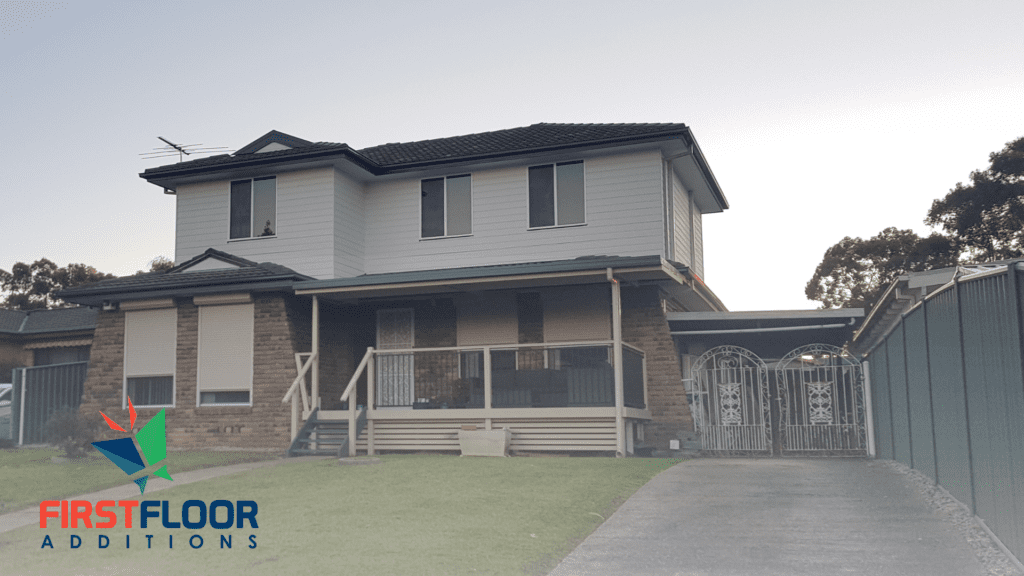
If you’re starting to look into the House Extension Cost in Sydney, chances are your home is feeling a little tight. The kids may need their own rooms. You may be working from home more. You may want a bigger kitchen that actually works for your lifestyle.
Moving sounds simple, but in Sydney, it rarely is. Between stamp duty, agent fees, and higher property prices, upgrading to a bigger house can cost more than extending the one you already own. That’s why more families are choosing home extensions instead of relocating. Plan your House Extension Cost before starting. Let’s walk through realistic numbers, what pushes the price up, and how to plan your project without losing control of your budget.
Residential Extension Cost Breakdown
Home extension cost in Sydney doesn’t have one fixed price. It depends on what you’re building, how big it is, and how complex the work becomes once construction starts. Here’s a general pricing guide based on current Sydney projects:
|
Extension Type |
Average Cost Range | Typical Size |
Estimated Total Cost |
|
Ground Floor Extension |
$2,500 – $4,000 per m² | 40–60 m² |
$100,000 – $240,000 |
|
First Floor Addition |
$3,000 – $5,000 per m² | 60–100 m² | $180,000 – $500,000 |
| Kitchen & Living Extension | $3,500 – $5,500 per m² | 30–50 m² |
$120,000 – $275,000 |
| Full Home Extension | $2,800 – $5,500 per m² | 80–150 m² |
$250,000 – $750,000+ |
These numbers usually cover the main construction work. They don’t always include design fees, engineering, council applications, or unexpected structural upgrades. That’s why early discussions with experienced builders matter. Know the real House Extension Cost upfront.
First Floor Extension Cost Explained
A first-floor extension costs more than one at ground level; hence, building up increases your House Extension Cost. When you build up, the existing house has to carry more weight. That means checking the foundations, strengthening walls, and sometimes installing steel beams to keep everything secure.
There’s also the practical side. The roof often needs to be removed. A staircase must fit naturally into the layout. Plumbing and electrical systems need to run upstairs. All of this adds labour and materials. Still, building up has strong advantages. You keep your backyard and don’t reduce outdoor space. And in many Sydney suburbs, a second storey can noticeably lift the property’s value.
What Affects House Extension Cost
No two projects are identical, even if the houses look similar from the street. Several factors directly influence your final home cost:
- Slope of the block and soil conditions
- Access to the site for trades and materials
- Structural upgrades required to support new areas
- Choice of finishes, fittings, and fixtures
- Council approval pathway and compliance rules
- Experience level of your builder
For example, a flat block with wide side access is usually cheaper to work on than a narrow inner-city site. Likewise, high-end finishes can shape your House Extension Cost.
Home Extensions Cost Sydney: Planning Smart
When planning home extensions, Sydney homeowners often rush into design before setting a firm budget. It’s better to reverse that approach. Know what you can spend first, then design within that range. Here are practical steps that make a real difference:
- List what you absolutely need versus what would be nice to have
- Allow at least 10–15% extra as a safety buffer
- Check council controls early, not halfway through
- Speak with extension builders Sydney locals recommend
- Understand how your loan or savings will fund each stage
All extensions must comply with the NCC (formerly BCA). It covers structural safety, fire protection, waterproofing, ventilation, and energy efficiency standards. Good planning controls your House Extension Cost. It also prevents design changes once construction begins, where costs can climb quickly.
Financing Your Home Extension Project
Paying for an extension usually involves more than savings alone. Many homeowners use equity in their property to fund the build. With Sydney property values having grown over the years, refinancing can unlock usable funds. Construction loans are another option. This releases money in stages, aligned with site progress. This helps control payments and maintain a structured cash flow.
Before committing, speak to a mortgage broker who understands renovation projects. Aligning finance with your building contract avoids delays and the awkward financial pressure that can arise halfway through the job. So you need to finance wisely to manage the house extension cost.
Hidden Costs You Should Know
The advertised build price is rarely the final figure. There are always supporting costs around the project. Architectural drawings, engineering reports, surveying, and council fees are common extras. Service upgrades; such as switchboard replacements or plumbing changes may also be necessary once work begins.
If you need to move out temporarily, factor in rent and storage. Landscaping repairs after heavy construction work may also require budgeting. Extras can raise your House Extension Cost. Honest conversations with your builder early on will give you a clearer picture of the whole.
Choosing Extension Builders Sydney
Picking the right extension builders Sydney homeowners trust is critical. Extensions are more complex than new builds because they involve connecting a new structure to an old one. An experienced builder understands how to blend the new space so it feels natural, not like an afterthought. They’ll provide clear documentation, realistic timeframes, and a detailed list of inclusions.
Don’t choose a builder just because the price is low. Cheap quotes often miss key details and can increase your House Extension Cost later. Choose an experienced Sydney builder who offers clear pricing and proven renovation work.
Energy Efficiency and Running Costs
When people calculate House Extension Cost, it’s easy to think only about the build itself. But the way your extension is designed will affect your power bills for years to come. New additions in Sydney must meet current building standards, which are stricter than those that applied 20 or 30 years ago. That usually means better insulation, improved window performance, and fewer gaps that let heat escape in winter or creep in during summer. The result is a space that feels more stable in temperature without constantly adjusting the air conditioning.
An extension also gives you the chance to improve older areas where the new structure connects. Upgrading insulation or improving natural light and airflow during construction can make the whole home feel more comfortable. Lower running costs and better day-to-day comfort are practical benefits that many homeowners only fully appreciate after the project is complete.
How to Avoid Budget Blowouts
One of the biggest fears homeowners have when discussing House Extension Cost is running out of budget halfway through the build. It happens more often than people think, usually not because of major disasters, but because of small decisions made too late.
The most common cause of cost increases is design changes after construction begins. Moving a wall, upgrading finishes, or changing window sizes may seem minor, but each adjustment affects labour, materials, and sometimes engineering. These variations add up quickly.
Another common issue is underestimating provisional sums. Some contracts include allowances for items like bathrooms or kitchens. If your final selections exceed those allowances, you pay the difference. Reviewing these figures carefully before signing helps you stay realistic.
Is Extending Cheaper Than Moving?
In many cases, yes. Buying a new property in Sydney means paying stamp duty, agent commissions, legal fees, and moving costs. Those expenses alone can reach tens of thousands of dollars. Extending allows you to improve your current home without having to restart your life. You stay near familiar schools, work routes, and local shops.
While every situation is different, many homeowners find that a well-planned residential extension delivers better value and more control than competing in the Sydney property market again. Comparing relocation expenses often shows that the House Extension Cost is the smarter investment.
Conclusion
Understanding the House Extension Cost in Sydney comes down to clarity. Know the square metre rates, but also understand structural work, approvals, finance, and hidden expenses. With realistic budgeting and the right professionals, your extension can feel like a natural upgrade rather than a stressful overhaul.
If you’re considering expanding your space, First Floor Additions can offer a useful perspective when thinking about adding another level to your home. Take time to plan your layout, budget, and long-term goals carefully before moving ahead. A well-designed extension should feel natural and practical, not rushed. Clear decisions early in the process make everything smoother and easier to manage.
Frequently Asked Questions (FAQ)
- How much does a typical house extension cost in Sydney?
Most extensions fall between $100,000 and $500,000. The final price depends on size, complexity, structural changes, and finish selections. Second storey projects usually sit at the higher end.
- Why is a first floor extension more expensive?
Building upward requires structural reinforcement, staircase installation, and roof modification. These additional construction steps increase labour and material costs compared to ground-level builds.
- How long does an extension project take?
Smaller projects may take three to four months. Larger second-storey additions can take 6 to 9 months, including approvals and construction.
- Do all extensions require council approval?
Most Residential Extension projects require either a Development Application or a complying development certificate, depending on your local Sydney council regulations and design compliance.
- Can I stay in my home during construction?
Often yes, especially for rear extensions. However, major structural work or full second-storey additions may require temporary relocation for safety and convenience.
- How do I select the right home extension builders?
Look for licensed builders with strong renovation experience, clear contracts, transparent pricing, and completed home extensions in Sydney projects similar to your property type.